

University of Maryland School of Law
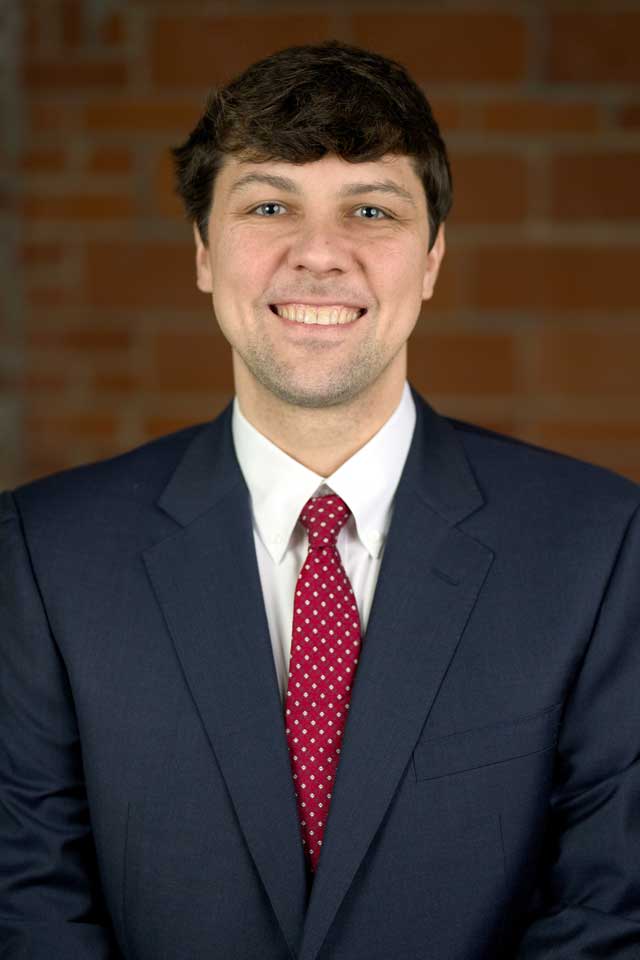
Sterling Sims is no stranger to the horrors that sometimes befall humankind, having spent his first summer of law school interning in the mental health division of the Baltimore public defender’s office. “We would go to Sheppard Pratt Psychiatric Hospital, where clients were involuntarily committed, and help them get medically cleared and released,” he recalls. “It was a vicious cycle of patients taking their meds and feeling better and then no longer thinking they needed them. More than anything, it was sad to see just how deeply affected some people are by mental illness.”
A Stark Introduction to Jailhouse Neglect
As distressing as his experience with psychiatric patients proved, it did not prepare Sims for the consequences of untreated mental illness inside county jails. As part of his Smolen & Roytman interview, he read a summary judgment response involving the death of an Army veteran. A reporter for The Marshall Project described the case: “The final six days in the life of 37-year-old Army veteranElliott Earl Williams reads like a table of contents about how not to treat a mentally ill person in jail.” Adds Sims: “I didn’t know much about civil rights law, but I was hooked after reading that brief.”
An Education Beyond the Classroom
Sims’ path to civil rights work began far from litigation. Growing up in Tulsa and attending the same school until age eighteen, he experienced a dramatic shift while studying at the University of Pennsylvania. “The best thing about Penn was being around so many intelligent, hardworking people,” he says. “Getting to know people from other backgrounds and countries gave me a reeducation, of sorts.”
After graduating, Sims accepted a paralegal position at an immigration firm. For two years, he worked on EB-1 visas for individuals with extraordinary ability—scientists, medical researchers and leaders in specialized fields. “These were people doing cutting-edge cancer research or treating rare diseases,” he explains. Reviewing dense scientific materials and drafting recommendation letters opened Sims up to the surprising intersection of public health, anthropology and sociology.
Finding Purpose inHealth Law and Civil Rights
This growing interest led him to the University of Maryland School of Law, known for its health-law program. But Baltimore proved more challenging than expected. “The Wire is my all-time favorite show,” says Sims. “I thought there was no way Baltimore was as bad as it is in the show—but for me, it was actually worse.” Ultimately, he returned home, completing his final year as a visiting student at theUniversity of Tulsa. There, he found Smolen & Roytman—“both a career and a cause.”
A Commitment to Systemic Change
Today, Sims channels difficult stories and systemic failures into advocacy. “Our passion is one of the reasons we work so hard on our cases,” he says. “It sounds cliché, but it really doesn’t feel like work.” For Sims, each case is a step toward exposing abuses, improving care and reshaping a system that too often leaves vulnerable people behind.